
August 16, 2013
We’ve been asked how we can spend so much time on the boat and what in heaven’s name do we do all day. On the days that we aren’t traveling, we may walk and explore the area; fish; crab; shrimp; meet and talk to people; do routine cleaning & maintainance; research new areas we want to visit; plan the navigation for our next journey; read or maybe even nap!
Travel days are much different, especially if we’re crossing a “challenging” body of water such as rounding Cape Caution in the Queen Charlotte Strait where in such a large body of water, high winds with opposing tides can cause high seas, making the crossing quite uncomfortable to say the least. So the day before a scheduled departure we have checked the weather repeatedly; have our paper and electronic charts all ready; I’ve checked the tides and currents and estimated how long it will take us and David has checked all the mechanical aspects of the boat (is the Amazing Goop still working?). I store anything that can fly around in heavy weather, which includes stuffing my down parka and fleece jackets in our wine glass and dish cupboards and locking the refrigerator doors (One year in rough seas the refrigerator door flew open and we had broken beer bottles and beer flying all over the pilot house). These big crossings tend to be longer travel days, and because the wind generally picks up in the afternoons we plan an early departure unless that means we will be fighting an opposing tide or that we will not arrive at a “Narrows” where we need to go through at a specific time for “slack water”.
On Aug 16th we hoped to be able to go around Cape Caution so we were up at 5:00 to listen to the marine weather broadcasts. It was raining and windy and we were pretty sure we wouldn’t be going. The night before the weather was rather “iffy” i.e. the predicted winds and seas were higher than we are comfortable with. Because wi-fi is close to non-existent in the wilderness we get the weather by listening to our VHF radio for the marine forecast which can take anywhere from 15-30 minutes as it covers many geographic areas and includes information on barometric readings, sea conditions at specific buoys, wind forecasts for each area and predicted wave height. The reception is frequently poor so if it cuts in and out we need to listen to it 2-3 times before we hear the information we need. We turn on and check all our instruments (navigation computers, radar, VHF, depth sounder, bow & stern thrusters etc., and the all-important coffee pot. If the weather looks OK we are usually ready to unplug the power cord from the dock or pull up the anchor and depart an hour after we get up.
We decided we’d try to cross and left the dock at Duncanby Landing at 6:20 AM shortly after the sun was up. It was raining with only fair visibility which dictated that both of us be vigilantly watching ahead for other boats and logs in the water and to ensure we’re on the course we’ve planned. We use two computers with the course we are following and I stand beside David (who as Captain gets to sit down all day, by the way) with my pile of paper charts. I move a marker along as we travel so I know exactly where we are in case we have an electrical problem and our computers suddenly go blank, and I mark our location on the chart in pencil at least every 1/2 hour with the time and coordinates. Even when you are very familiar with an area, when you are on the water, it can be extremely difficult to figure out where you are if you are not monitoring and making frequent visual checks.
We are constantly looking for navigation aids (buoys, lighthouses) which are shown on the charts. These identify channels, reefs, rocks etc. Visually seeing them assures us that we are where we think we are. Especially in fog, we can’t afford to make a mistake. On this particular day the fog got thicker as we went along which dictated constant vigilance of the radar and searching out the window. Our radar may show something is in front of us but in rough seas it can be a big wave and in fog we may never actually see the boat except on the radar. Stress.
We went around Cape Caution 2 1/2 hours after departure under calm seas which was a real blessing. The visibility was getting worse though and by 9:45 we were tired of it all. An hour later the visibility got better but the wind was kicking up and the seas getting choppy along with some sea swells. Never a dull moment. By 1:30 we rounded James Point into the Broughton Archipelago and suddenly the waters were calm, the sun came out and we were in familiar territory. Yes! We arrived at Sullivan Bay at 2:30, tied up to the dock, and exhausted, I laid down for a quick nap which ended up lasting two hours…apparently I was tired and this was only an 8 hour day!
In each marina in The Broughtons, people meet at 5:00pm at a specified place to meet other boaters, share stories and hear about each others travels. So well rested, we grabbed a drink and an appetizer and headed off to Happy Hour where we met some very fun people. What a nice tradition.
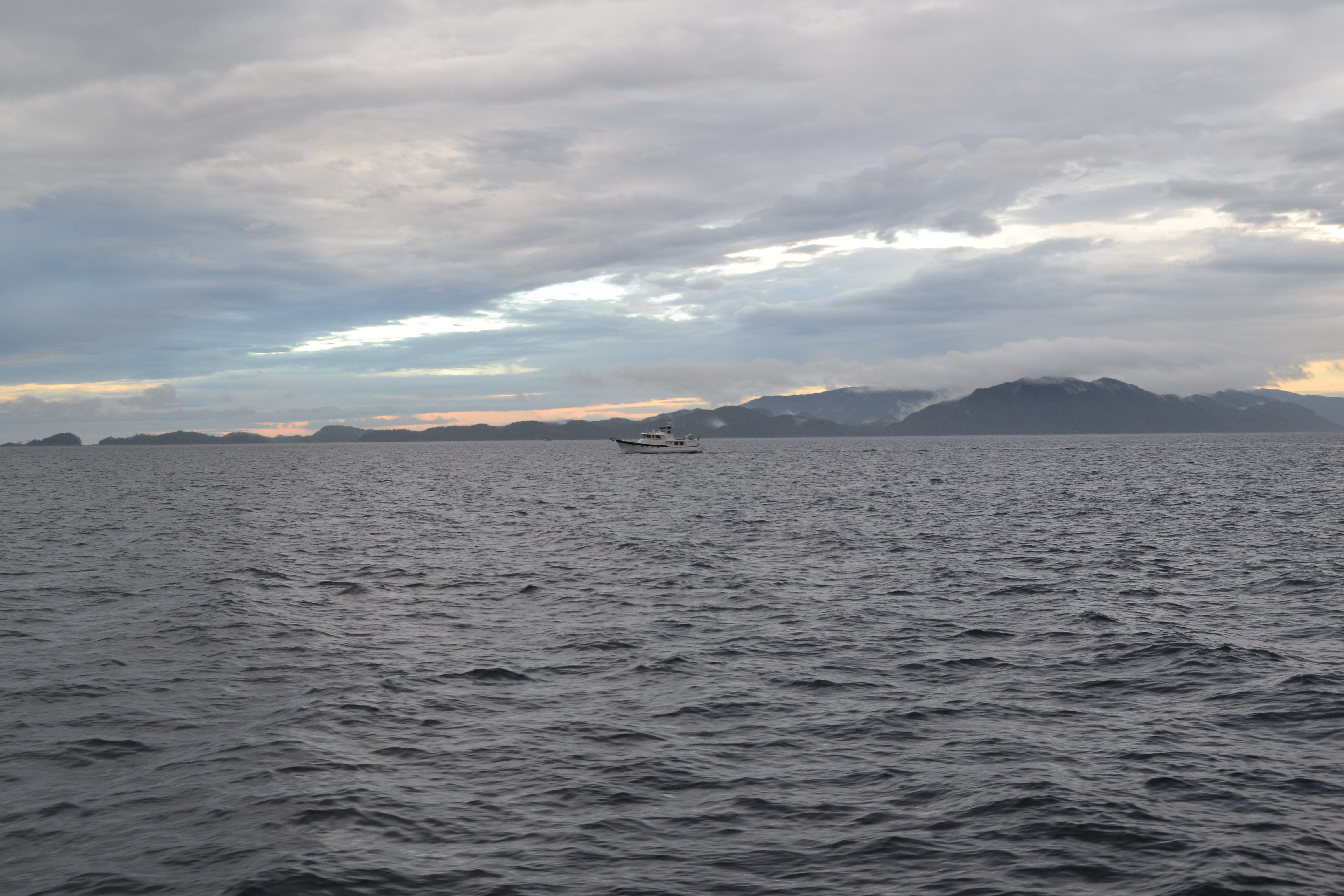
Our friends aboard Stella Maris as we left to make the journey
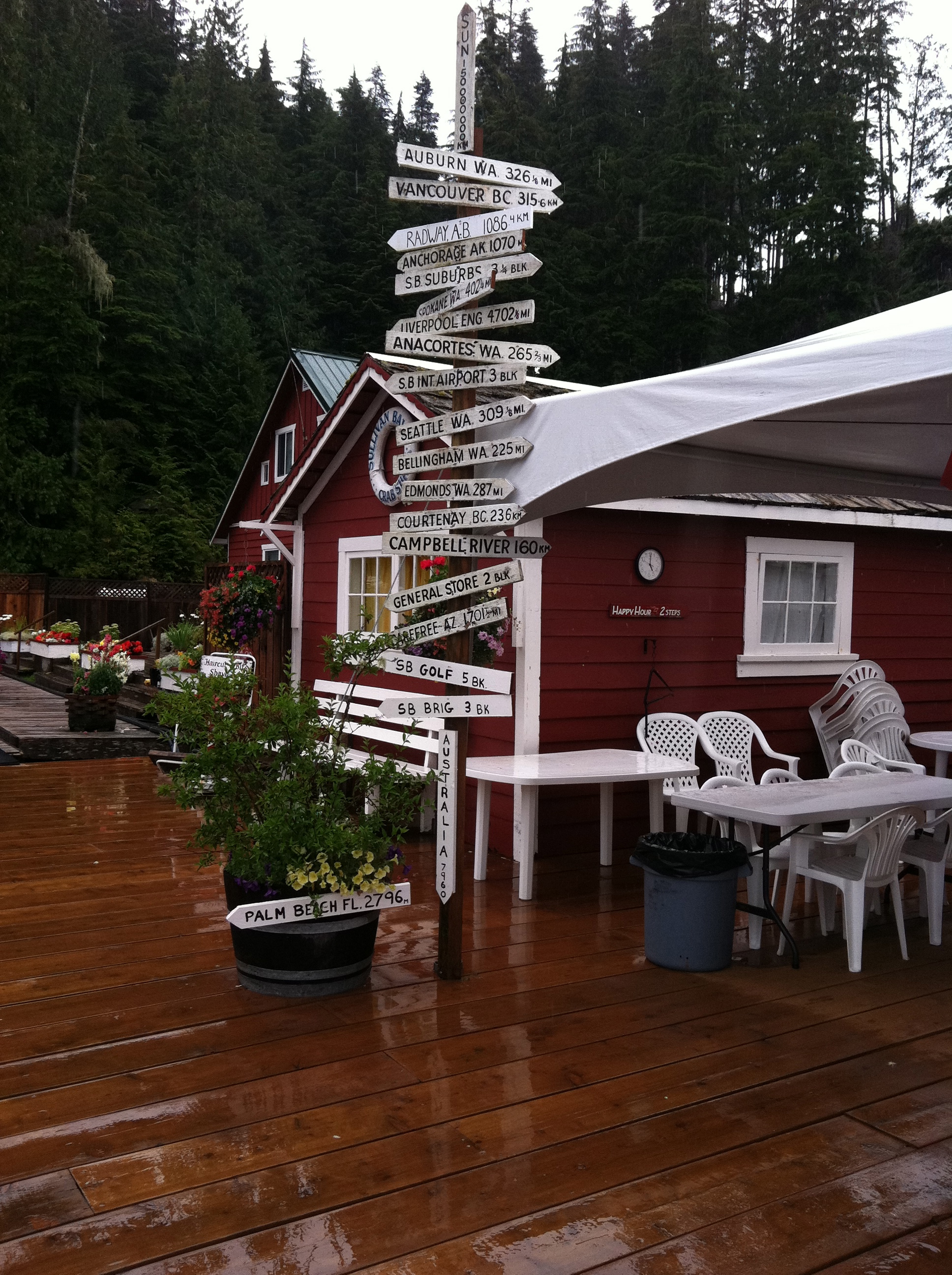
Sullivan Bay
 Sus Formo's Blog
Susie and Dave, we have so enjoyed being with you on your amazing 15 week trip…what you do all day is amazing…..and well….someone has to do it! It has been a wonderful adventure for you two and guests and a nice beginning to your retirement Susie. See you later!! xox
You’re right, Gillian…I just replaced financial due diligence and research with navigation and geographic research. It was good to be busy and I can now say I have made the transition to retirement and am loving it!
Whew! I experienced your tension as I read your description of the treacherous crossing. And I was thinking of how seasoned, knowledgeable & careful you guys are. Afterwards there must be exhilaration! Congrats! We have certainly enjoyed your blog, Susan. Thanks for sharing!